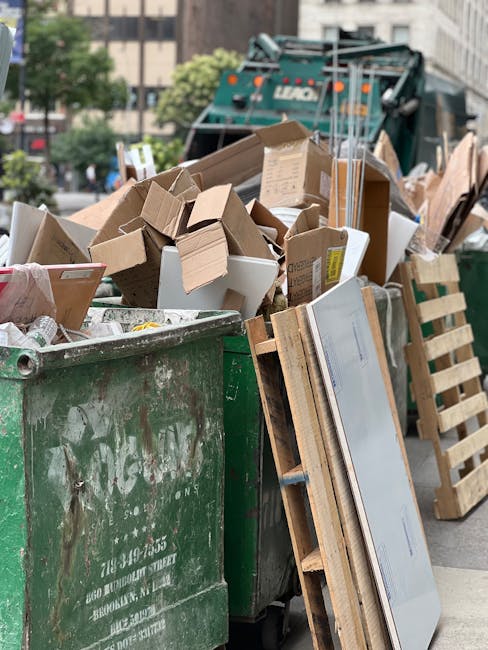
How Pimlico council rules affect bulky rubbish disposal SW1V

If you live or work in SW1V, bulky rubbish disposal can feel oddly complicated for something as simple as getting rid of an old sofa or a broken wardrobe. That is exactly where How Pimlico council rules affect bulky rubbish disposal SW1V matters. Council guidance shapes what you can leave out, when you can leave it, how it should be presented, and whether a collection is even the right option at all. Miss one detail and you can end up with missed collections, complaints from neighbours, or waste left sitting in the hallway a little longer than you wanted. Not ideal, let's be honest.
This guide breaks the process down in plain English. You'll learn what the local rules usually mean in practice, how to avoid common mistakes, when a professional clearance service makes more sense, and how to choose a responsible route for furniture, appliances, and mixed household waste. If you want a smooth outcome in a busy London neighbourhood, the small details really do count.
Why How Pimlico council rules affect bulky rubbish disposal SW1V Matters
Bulky waste is one of those things people only notice when it becomes a problem. A mattress leaning in the hall, a cracked chest of drawers after a move, a garden table that will not fit through the door, or builders' offcuts left after a quick refresh. In a place like Pimlico, where access can be tight and streets are often busy, the council's rules influence far more than timing. They affect how practical the whole job is.
Local rules matter because they set the expectations around what counts as bulky waste, what should not be placed in ordinary bins, and how collections are managed safely. They also help reduce fly-tipping, nuisance on pavements, and unsafe stacking of items near entrances. That may sound obvious, but when you are trying to clear a flat before a lease ends, obvious things get missed. A lot.
For SW1V residents, the biggest pain points usually are space, access, and timing. A large item can block a narrow staircase or a shared entrance for just long enough to annoy everyone. Add in parking pressure and the need to keep communal areas tidy, and suddenly a simple disposal task needs a bit of planning.
Practical takeaway: the council rules are not just red tape. They shape whether bulky waste is collected efficiently, whether your building stays tidy, and whether you avoid avoidable hassle.
If you are dealing with furniture as part of a full property clear-out, it can help to look at a broader service such as home clearance or, for bigger jobs, house clearance. Those services are often easier than trying to piece together multiple small arrangements. Truth be told, people often underestimate how much "just one more item" adds up to.
How How Pimlico council rules affect bulky rubbish disposal SW1V Works
The exact council process can change over time, so the safest approach is to treat the rules as something to check before you book or set anything out. In practice, bulky rubbish disposal in SW1V usually falls into one of three routes: a council collection, a private clearance service, or a self-managed trip to a waste facility through an approved route. Each has different implications for time, handling, and cost.
Most council-managed bulky collections follow the same broad logic. You identify the items, confirm they are accepted, book a slot, and place them where collection can happen safely. Sounds simple. In the real world, there are usually a few catches: items must be ready at the right time, may need to be downstairs or accessible, and may have limits on size, quantity, or type.
That is where local rules make a difference. In an area like SW1V, access constraints can affect whether items can be taken from inside a property or need to be brought outside beforehand. If your building has a concierge, shared corridor, or restricted lift access, the logistics matter just as much as the waste itself. A mattress on the fourth floor is not the same thing as a small chair by the front door.
Private clearance services tend to be more flexible. They can usually collect from inside the property, handle mixed bulky waste, and manage lifting and loading with less stress on you. If the disposal involves furniture, an awkward loft item, or multiple rooms, it is worth comparing a dedicated furniture disposal option with a more general waste removal service. The difference can be surprisingly practical.
What usually counts as bulky rubbish?
- Old sofas, armchairs, and mattresses
- Wardrobes, beds, tables, and chairs
- Broken white goods where accepted
- Large storage items, shelving, or cabinets
- Carpets, rugs, and some household fixtures
Always remember that not every large item is automatically accepted. Some materials and item types may need separate handling. If the waste came from a refurbishment, you may need a more suitable route such as builders waste clearance rather than ordinary bulky rubbish disposal. Different waste streams, different rules. Simple in theory, slightly annoying in practice.
Key Benefits and Practical Advantages
Following the right process for bulky rubbish disposal is not just about compliance. It can save time, protect the building, and make the whole thing feel much less like a chore. In SW1V, where properties can be compact and neighbours close by, those benefits are easy to notice.
First, it reduces the risk of missed collections. If items are not presented correctly or are left out too early, you may create extra work for yourself and possibly extra nuisance for others. Second, it keeps communal spaces clear. Anyone who has tried to squeeze past a dismantled wardrobe on a narrow landing knows that this is not a small thing.
There is also a safety angle. Heavy furniture is awkward, and sharp edges or broken fittings can cause injuries. A controlled clearance is usually better than dragging items down stairs at the last minute. And if you are clearing a property after a tenancy or before a sale, a tidy, well-managed removal can help the place feel ready faster.
- Less stress: you know what can be collected and when
- Better safety: fewer lifting injuries and fewer trip hazards
- Cleaner common areas: especially important in flats and shared entrances
- Better recycling potential: items can be sorted for reuse or material recovery
- Faster turnaround: useful when you are working to a move-out deadline
If sustainability matters to you, look for a provider that explains how items are sorted and diverted from landfill where possible. The page on recycling and sustainability is a useful place to understand the approach behind responsible disposal. Small choices add up, especially in London, where waste volumes are no joke.
Who This Is For and When It Makes Sense
This topic is relevant to more people than you might think. Homeowners, tenants, landlords, agents, property managers, and small businesses in SW1V all run into bulky rubbish at some point. Sometimes it is a one-off old sofa. Sometimes it is the aftermath of a full declutter that turned into a much larger job than expected. Happens all the time.
It makes sense to pay attention to council rules when:
- you have one or more large items that will not fit in normal bins
- you live in a flat or shared building with limited storage space
- you need the waste gone before check-out, handover, or sale
- the items are heavy, awkward, or require two-person lifting
- you are dealing with mixed waste from a move, renovation, or clearance
For example, a tenant clearing out a studio flat may only need a small furniture pickup, while a landlord emptying a two-bed property after a long tenancy may need a much broader flat clearance or even a full home clearance. The right approach depends on scale, access, and how fast you need the space back.
Business users should be extra careful. Office desks, filing cabinets, and IT-related items can involve different handling expectations, and business waste must usually be managed more formally. If that sounds like your situation, business waste removal is likely a better starting point than a household-only solution.
Step-by-Step Guidance
If you want a smoother outcome, break the job into a few sensible steps. That approach works far better than dragging furniture to the pavement and hoping for the best. Here is a practical sequence that suits most SW1V situations.
- List every item. Write down what needs removing. Include dimensions if an item is bulky, awkward, or likely to need dismantling.
- Separate the waste streams. Furniture, electricals, builders' debris, and garden waste may need different handling. Do not mix them unless the service accepts mixed loads.
- Check access. Think about stairs, lifts, parking, loading points, and whether the item can be taken out without damaging walls or floors.
- Decide on the route. Council collection, private clearance, or a specialist service. Choose the one that fits the job, not just the cheapest-looking option.
- Prepare the items. Empty drawers, remove loose contents, and dismantle furniture if that makes it safer and easier.
- Set a collection window. If items need to go out early, make sure the timing does not cause an obstruction or noise issue.
- Confirm the details in writing. Especially if you are using a clearance provider. Clarify what is included, what is not, and who handles loading.
A lot of people skip step 2 and then regret it. A sofa, a broken bookshelf, and a bag of renovation rubble are not the same thing. Mixing them can slow the process or lead to rejection. No one wants to discover that at the kerbside on a damp Tuesday morning.
If your clearance involves single pieces of furniture rather than a full property, a more focused service like furniture clearance can keep things efficient. If the items have reached the stage where disposal is the only realistic option, then furniture disposal may be the more direct fit.
Expert Tips for Better Results
After enough clearances, a few practical habits stand out. They may seem small, but they save time and reduce friction. And honestly, they make the day go better.
- Measure doorways before moving anything. A wardrobe that "just about fits" often doesn't, once you meet the turn in the corridor.
- Take photos of the items and the access route. This helps if you are getting a quote or explaining a tricky staircase.
- Keep screws, fittings, and loose parts in a bag. It sounds tiny, but it stops scatter and makes loading safer.
- Plan around school runs, deliveries, and busy street times. Pimlico traffic can make a simple pickup drag on longer than expected.
- Ask about reuse where suitable. Some items may be better suited to recovery than immediate disposal.
One practical tip people often overlook: if a clearance is happening from a top floor flat, clear the route first. Move rugs, shoes, and anything fragile before the heavy lifting starts. It sounds basic, but it avoids that awkward moment where someone has to shout "mind the lamp!" while carrying a mattress downstairs.
If your property includes external storage or clutter in a basement, the right service may be broader than furniture removal alone. In those cases, garage clearance or loft clearance can be more suitable than a single-item collection. Different spaces, different headaches.
Common Mistakes to Avoid
Most problems with bulky rubbish disposal come from the same handful of mistakes. The good news is that they are easy to avoid once you know what to look for.
- Leaving items out too early. This can create obstruction or attract complaints.
- Assuming every large item is accepted. Some items need separate handling.
- Forgetting about access restrictions. If a collection crew cannot get to the item safely, the job gets harder fast.
- Underestimating the volume. A small declutter can become a full van load very quickly.
- Choosing a service without checking what is included. Loading, labour, and disposal are not always bundled in the same way.
Another common issue is waiting until the last day. That tends to happen just before a move or tenancy handover, when everyone is tired and the hallway looks like a temporary storage unit. If you can, give yourself a little breathing room. Even one extra day helps.
For mixed or larger jobs, a clearer plan is often more valuable than chasing the lowest headline price. A transparent quotation from a reputable provider, such as through pricing and quotes, can make comparison much easier.
Tools, Resources and Recommendations
You do not need specialist equipment for every clearance, but a few basic tools can make the process calmer and safer.
- Measuring tape: for doors, lifts, stairwells, and item dimensions
- Strong gloves: useful for rough edges, splinters, or dusty storage areas
- Marker pen and labels: good for separating keep, donate, and dispose piles
- Bag for small fixings: prevents loose screws and fittings from getting lost
- Phone camera: helps document what needs removing before the crew arrives
In terms of service choice, think about the nature of the job rather than just the item count. One heavy corner sofa can be a tougher disposal task than five smaller items. Likewise, a clean, reusable desk is different from damaged office furniture with broken components. If you are clearing work premises, office clearance usually makes more sense than treating the job like ordinary domestic rubbish.
For outdoor clutter or seasonal waste, there are also more specific options. A pile of old pots, fencing pieces, and hedge cuttings might suit garden clearance better than a general collection. Matching the service to the waste stream is what keeps the process efficient.
Law, Compliance, Standards, or Best Practice
When bulky rubbish disposal is involved, the key compliance point is simple: waste should be handled responsibly and by someone who is properly set up to do the job. You do not need to become a legal expert, but you should avoid casual assumptions. In the UK, waste is not something to improvise with.
Best practice usually means the person or company removing the waste should be able to show they are operating properly, using suitable vehicles and handling methods, and dealing with disposal through lawful routes. For householders, the practical takeaway is to choose a provider that looks organised, gives clear information, and explains what happens to the waste after collection.
It is also sensible to treat safety as part of compliance. Heavy lifting, sharp materials, and awkward access can create real risk, especially in older buildings and narrow staircases. Good planning, proper equipment, and respectful handling of shared areas all matter. In a small block in SW1V, one poor move can disrupt several households. Not worth it.
If you are unsure whether your waste is classed as household, commercial, or construction-related, pause and check before booking. For example, renovation debris should not be treated in the same way as a discarded sofa. That distinction matters for handling, sorting, and disposal route. If your load is mixed and more complex, services such as builders waste clearance can be more appropriate than a generic collection.
Options, Methods, or Comparison Table
There is no single best method for every bulky rubbish job in SW1V. The right option depends on urgency, access, item type, and how much work you want to do yourself. Here is a simple comparison to help narrow it down.
| Option | Best for | Pros | Watch-outs |
|---|---|---|---|
| Council bulky collection | Fewer household items, planned in advance | Convenient for simple jobs, familiar route | May have limits on item types, timing, and presentation |
| Private waste removal | Mixed bulky items, tighter deadlines, awkward access | Flexible, quicker, often handles loading | Choose a reputable provider and confirm what is included |
| Specialist furniture disposal | Sofas, beds, wardrobes, large domestic pieces | Efficient for heavy or awkward items | Not always the right fit for mixed waste |
| Clearance service | Whole rooms, flats, lofts, garages, or full properties | Best for larger jobs, more complete result | May be more than you need for a single item |
For many people, the decision comes down to convenience versus control. If you only have one chair, the council route may be enough. If you are clearing a property with limited time and awkward access, a proper clearance provider is often the calmer option. Calm matters. Especially on moving day.
Case Study or Real-World Example
A typical SW1V scenario goes like this. A couple moving out of a third-floor flat discover, two days before handover, that they still have a broken bed frame, a sofa, and a pile of unwanted storage items in the spare room. The lift is small, the stairs are narrow, and the hallway is shared. They first consider dragging everything downstairs themselves, then quickly realise that is a terrible idea. Sensible instinct, honestly.
Instead, they sort the items into categories: furniture, small household bits, and a damaged shelving unit. They check access, photograph the space, and choose a service that can remove items from inside the flat. The team arrives, handles the loading, and leaves the common area clean. The difference is not just speed. It is also peace of mind.
What made the job go well was not luck. It was matching the disposal method to the property and the waste type. If the same household had tried to push everything through one rigid collection window, they probably would have ended up with stress, noise, and a bit of neighbourly tension. Nobody needs that on a Thursday afternoon.
Practical Checklist
Use this before booking or setting anything out. It keeps the process tidy and avoids last-minute surprises.
- Have I listed every bulky item that needs to go?
- Do I know whether the items are household, furniture, builders' waste, or mixed waste?
- Is there enough access for collection without blocking shared spaces?
- Have I checked whether anything needs dismantling first?
- Do I know the collection day, time window, or lead time?
- Have I removed personal items, loose contents, and fragile pieces?
- Is the route clear from the room to the exit?
- Do I need a specialist service for a flat, loft, garage, office, or garden area?
- Have I confirmed pricing, inclusions, and any exclusions?
- Do I know what will happen to reusable or recyclable items?
If you can tick most of these off, you are already ahead of the game. It is amazing how much smoother things feel when the plan is written down.
Conclusion
In SW1V, bulky rubbish disposal is rarely just about "getting rid of stuff." It is about following the right local rules, respecting shared space, and choosing a collection method that fits the reality of the property. That is the heart of How Pimlico council rules affect bulky rubbish disposal SW1V: the rules shape the process, and the process shapes whether the job feels easy or maddening.
If you are dealing with a single item, a council route may work well. If you are dealing with multiple items, awkward access, or a tight deadline, a professional clearance option is often the more practical choice. Either way, the best results usually come from planning early, separating waste properly, and avoiding assumptions. Small things, but they matter.
When in doubt, choose the route that keeps your building tidy, your schedule calm, and your waste handled responsibly. That is usually the right call.
Get a free quote today and see how much you can save.
Frequently Asked Questions
What counts as bulky rubbish in SW1V?
Bulky rubbish usually means large household items such as sofas, beds, wardrobes, tables, chairs, and mattresses. Some councils also accept certain appliances, but acceptance can vary, so it is always worth checking before booking.
Can I just leave bulky items outside my property?
Only if the collection arrangement specifically allows it and the items are presented in the correct way. Leaving furniture outside too early can cause obstruction or complaints, especially in shared entrances and narrow streets.
Is council bulky waste collection cheaper than private clearance?
Sometimes, yes, particularly for a small number of items. But the cheapest option on paper is not always the best overall if access is difficult or if you need the items removed quickly. Time, convenience, and handling all matter.
What if my waste includes both furniture and builders' debris?
That is a mixed waste job, and it may need a more suitable service than standard bulky collection. A provider that handles mixed loads, such as waste removal, may be a better fit.
Do I need to dismantle furniture before disposal?
Not always, but dismantling can help if the item is too large for stairs, doorways, or lifts. If you do dismantle it, keep fittings together and make sure the pieces are safe to move.
What happens if an item is not accepted by the council?
You may need to arrange a different disposal route. Items that are damaged, contaminated, or classified differently may need specialist handling. That is one reason it helps to sort items in advance rather than guessing on the day.
How can I avoid blocking the communal hallway?
Measure the route, move smaller items first, and only bring out bulky waste when collection is ready. In flats, a well-timed collection is often far less disruptive than setting things out early and hoping for the best.
Is there a better option for a full flat clear-out?
Yes. If you are clearing most or all of a property, a broader service like flat clearance or home clearance is usually more efficient than handling items one by one.
How do I know if a clearance company is suitable?
Look for clear pricing, a sensible approach to loading and disposal, and straightforward communication about what is included. It also helps if the provider explains how reusable and recyclable items are handled.
Can garden waste or loft clutter be treated as bulky rubbish?
Sometimes, but not always in the same way. Garden cuttings, old tools, and storage items from a loft may fit better under dedicated services like garden clearance or loft clearance.
What is the safest way to move a heavy item in a narrow staircase?
Usually, the safest way is not to do it alone. Measure first, clear the route, use proper lifting technique, and get help if the item is awkward or heavy. If in doubt, let a trained clearance team handle the lifting.
Where can I find more about responsible disposal and sustainability?
For a useful overview of how materials may be sorted and handled, see recycling and sustainability. It is a good reminder that disposal is not only about removal; it is also about what happens next.
What should I do first if I need bulky rubbish gone quickly?
Make a full list of items, check access, and decide whether a council collection or a private clearance service is the better fit. If you need a tailored estimate, start with pricing and quotes and work from there.