Pimlico rubbish removal guide for Churchill Gardens flats
If you live in Churchill Gardens flats, rubbish removal can feel deceptively simple right up until the bags start piling up in a hallway, lift access gets awkward, or you realise the bulky item you want gone is never as light as it looks. This Pimlico rubbish removal guide for Churchill Gardens flats is here to make the whole process clearer, calmer, and far less annoying than a last-minute dash to the bin store in the rain.
Whether you are clearing out after a tenancy change, tackling a renovation, or just trying to get rid of a sofa that has seen better decades, the basics are the same: sort what needs removing, choose the right disposal method, and make sure everything is taken away responsibly. In a dense part of Westminster like Pimlico, with shared entrances, managed blocks, and limited loading space, a bit of planning saves a lot of hassle. Truth be told, it also saves those slightly embarrassing moments when you are trying to wedge a wardrobe through a communal door at 7:30 in the morning.
This guide walks through how rubbish removal works in Churchill Gardens, what to watch for, what to avoid, and how to choose the most sensible option for your situation. It also includes a practical checklist, a comparison table, and answers to the questions people actually ask before booking a collection.
Table of Contents
- Why rubbish removal matters in Churchill Gardens flats
- How rubbish removal works in practice
- Key benefits and practical advantages
- Who this is for and when it makes sense
- Step-by-step guidance
- Expert tips for better results
- Common mistakes to avoid
- Tools, resources and recommendations
- Law, compliance, standards, and best practice
- Options, methods, and comparison table
- Case study or real-world example
- Practical checklist
- Conclusion
- Frequently asked questions
Why Pimlico rubbish removal guide for Churchill Gardens flats Matters
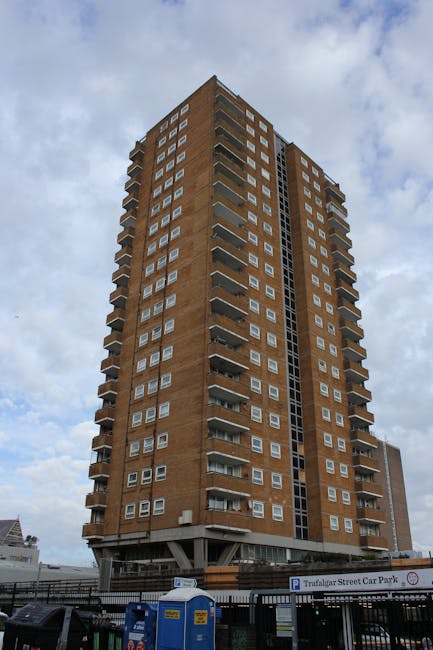
Churchill Gardens is a classic London estate environment: shared spaces, set rules, mixed household needs, and the usual challenge of making waste disappear without disturbing neighbours or blocking access. That is why a local rubbish removal plan matters. It is not just about getting rid of clutter. It is about doing it in a way that works for flat living, respects the building, and avoids unnecessary stress.
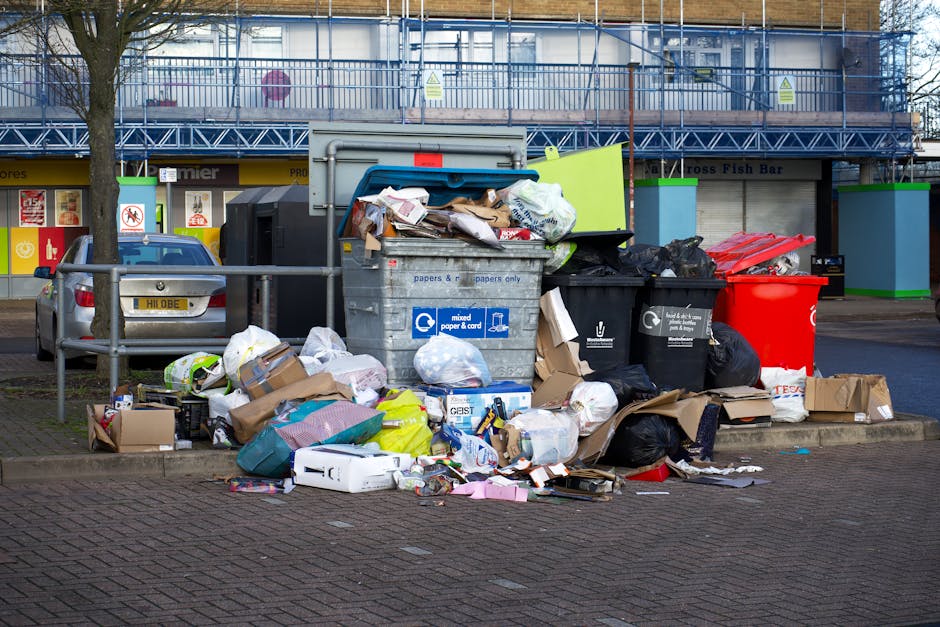
In blocks like these, small details matter more than people expect. A pile of cardboard left in the wrong place can narrow a corridor. A broken wardrobe left by a bin store can attract more dumping. A rushed collection booked without checking access can lead to missed pickups, frustrated neighbours, and extra charges. Not ideal.
There is also a practical side. Flat residents often need disposal help for items that are too large for normal bins or too awkward to carry alone. Think old mattresses, wardrobes, broken desks, bags of mixed household waste after a clear-out, or renovation debris from a bathroom refresh. When you understand the local setup, you can choose a service or method that fits the building instead of fighting it.
For anyone comparing service pages, it can help to look at broader local guidance too, such as our Pimlico area service information and the main rubbish removal service overview. If your clear-out also includes bulky items, the dedicated bulky item collection option can be the more efficient route.
Expert summary: The best rubbish removal approach in Churchill Gardens is the one that fits the building, the waste type, and your access constraints. The cheapest option is not always the easiest one, and the easiest one is not always the right one. A good plan sits somewhere in the middle.
How Pimlico rubbish removal guide for Churchill Gardens flats Works
At a practical level, rubbish removal in Churchill Gardens usually follows a fairly simple pattern. You identify what needs to go, decide whether it can be taken by a licensed collection team or needs another route, and make sure access is possible on the day. That is the short version. The longer version involves a bit of sorting, a bit of coordination, and a quick reality check on how much waste you actually have.
For flat residents, the process often starts with a visual sort. Separate general household rubbish from reusable items, electricals, garden waste if relevant, and anything that needs special handling. Mixed loads can be managed, but they are usually easier and more transparent when you know roughly what is in them.
Then comes access. Churchill Gardens flats may involve lifts, stairwells, controlled entry, service roads, or tighter parking arrangements. If you are booking a collection, it helps to mention where the waste is located, whether there is lift access, and if there are any restrictions on vehicle stopping. A little information up front prevents a lot of faffing around later.
Once the collection is arranged, the team should remove the waste, load it safely, and take it to an appropriate disposal or recycling facility. Responsible operators will sort recyclable materials where possible and handle waste in line with UK duty-of-care expectations. If a company seems vague about what happens after collection, that is worth questioning. Clear answers build trust. Simple as that.
If you are also dealing with loose renovation debris or household packing waste, it may be helpful to read the broader commercial and mixed waste guidance and the site's recycling information so you can plan disposal more sensibly.
Key Benefits and Practical Advantages
A good rubbish removal service is not just about speed. It should also make life easier, reduce risk, and help you keep the flat and shared areas tidy. In a place like Churchill Gardens, that matters quite a lot.
- Less hassle with heavy items: You do not have to drag a broken sofa down several flights of stairs yourself.
- Cleaner communal areas: Waste is removed in one go instead of sitting around in hallways or by the bin store.
- Better use of time: One planned collection can be far more efficient than multiple tip runs.
- Safer handling: Proper lifting and loading reduce the chance of injury or damage to walls, lifts, and doors.
- More responsible disposal: A reputable collection service can separate recyclable material and dispose of items properly.
- Reduced neighbour friction: Nobody enjoys shared-space clutter. Clearing it quickly keeps the peace.
There is also a quieter benefit: mental relief. Flat clear-outs are noisy in the head as well as the flat. Once old junk, broken bits, and "I'll deal with that later" items are gone, the place feels lighter. You can hear it sometimes too - that small echo after a room is emptied, which is oddly satisfying. Maybe a little dramatic, but true.
For people moving home, downsizing, or prepping a rental property, a clean disposal plan can also support a smoother handover. If you need a broader pre-move or post-move checklist, the moving house support guide is a useful companion read.
Who This Is For and When It Makes Sense
This guide is for anyone in Churchill Gardens flats who needs waste removed without turning the day into a mini logistics project. That includes tenants, leaseholders, landlords, estate agents, cleaners, and tradespeople working in a flat.
It tends to make the most sense in the following situations:
- after a tenancy ends and the flat needs clearing
- before an inventory check or handover
- during a declutter or home refresh
- after replacing furniture or appliances
- during light renovation work
- when a resident cannot transport bulky waste themselves
- when shared bin areas are already full or restricted
If you only have a few bags and some flattened cardboard, a normal bin arrangement or recycling route may be enough. But once you get into mattresses, large furniture, or mixed loads, it becomes more practical to use a dedicated collection. To be fair, nobody wants to spend Saturday afternoon trying to dismantle a wardrobe with one Allen key and a bad attitude.
For larger property clearances or more involved removals, the house clearance service may be the better fit. If you are dealing with a single awkward piece, the furniture removal page is worth a look.
Step-by-Step Guidance
Here is a sensible step-by-step approach for rubbish removal in Churchill Gardens flats. Keep it simple, and you will avoid most common problems.
- Identify the waste type. Separate general rubbish, furniture, electricals, metal items, and anything potentially hazardous.
- Estimate volume. Think in bags, boxes, or item count. If you are unsure, take photos. A quick picture usually tells the story better than a long description.
- Check access. Note lift availability, stair access, entry codes, parking limits, and any time restrictions.
- Sort what can be reused or recycled. Even a rough separation helps. Cardboard and clean metal are easier to manage than mixed waste.
- Choose the right collection method. A small clear-out, bulky item pickup, or full clearance all serve different needs.
- Book a convenient slot. Try to avoid peak building traffic where possible. Early afternoon can be easier than the morning rush in some blocks.
- Prepare the waste. Bag loose rubbish, remove personal items, and keep access paths clear.
- Confirm what is included. Make sure you know whether loading, labour, and disposal are all part of the service.
- Keep an eye on the handover. The collection should be quick, tidy, and respectful of communal areas.
A small but useful tip: if you have several items, group them by room. It makes the collection faster and reduces the chance of something being missed. One bag in the kitchen, another in the hallway, another by the bedroom door - that sort of thing. Very ordinary, very helpful.
If your project involves regular waste from a trade job, take a look at the builders waste removal guidance so you are clear on the right disposal route for rubble, timber, and packaging.
Expert Tips for Better Results
The difference between a smooth collection and a stressful one is often in the details. Here are the practical things that tend to make the biggest difference.
- Take photos before booking: A few clear images from different angles help with estimating labour and volume.
- Label awkward items: If something needs special care, say so. A cracked mirror or a heavy appliance should not be handled casually.
- Keep corridors clear: In shared buildings, even a short obstruction can be a nuisance.
- Ask about recycling routes: Reputable operators should be able to explain how reusable or recyclable materials are handled.
- Be realistic about time: Flat clear-outs often take longer than expected because stairs, lifts, and shared access slow things down a little.
- Choose the quietest practical slot: Mid-morning or early afternoon often works better than when everyone is leaving for work. Not always, but often enough.
One thing people often miss is the impact of packaging waste. Flat moves and furniture deliveries generate an astonishing amount of cardboard, foam, and plastic wrap. It looks harmless until it is all in one corner. Then, suddenly, it is a mountain. A very pale, crinkly mountain.
If you want to understand more about responsible reuse and disposal, the skip hire guide and local recycling centre information can help you compare different routes before you book anything.
Common Mistakes to Avoid
Most rubbish removal problems are avoidable. They usually come from rushing, underestimating volume, or not thinking through the building layout. Here are the main traps.
- Leaving it until the last minute: Flat waste tends to grow when ignored. It does not magically sort itself out, unfortunately.
- Guessing the volume too loosely: A "few bags" can turn into fourteen bags and a broken headboard very quickly.
- Mixing everything together: Some items are easy to sort at source and harder later. A small amount of effort saves time.
- Blocking communal spaces: This can upset neighbours and create safety issues.
- Forgetting about access rules: Parking and lift access matter more than people think in estate settings.
- Using unlicensed disposal routes: Fly-tipping or dodgy handling can become your problem if the waste is not managed properly.
Another easy mistake is assuming every item is treated the same way. It is not. A mattress, a fridge, a bag of clothes, and a box of mixed renovation debris all have different handling needs. Asking those questions early saves confusion later. Saves money too, in many cases.
Tools, Resources and Recommendations
You do not need much equipment to prepare a rubbish removal job, but a few simple tools make the job much easier.
- Heavy-duty bags: Useful for general waste and loose household items.
- Marker pen and labels: Handy for separating items by room or category.
- Gloves: Basic protection when handling dusty, sharp, or awkward items.
- Tape or twine: Good for bundling cardboard, cable, or dismantled pieces.
- Phone camera: Best tool of all for quick quotes and access photos.
- Measuring tape: Helpful when checking whether a large item can fit through a lift or doorway.
As for resources, the most useful ones are the pages that help you narrow down what you need. If you are deciding between a light clear-out and a more involved service, the same-day rubbish removal option can be relevant for urgent situations. For items that need careful removal from inside the property, the man and van rubbish removal service is often the practical middle ground.
A small recommendation from experience: keep a note of what went out after the collection. It sounds dull, but it helps with inventory records, landlord checks, or future decluttering decisions. Handy little habit.
Law, Compliance, Standards, or Best Practice
Rubbish removal in London is not just a matter of convenience. Waste needs to be handled responsibly, and if you are arranging collection, it is sensible to work with a provider that follows accepted UK waste practices. You do not need to become an expert in waste law, but you should know the basics.
In plain English, that means:
- waste should go to an appropriate licensed facility or approved route
- the person or company taking waste should be able to explain how it is managed
- hazardous or restricted items may need separate handling
- you should avoid dumping waste in shared areas, public land, or unofficial locations
- reasonable care should be taken to prevent damage, nuisance, or unsafe obstruction
For residents in Churchill Gardens, shared-building etiquette matters alongside formal compliance. Keep routes clear. Respect quiet hours where possible. Make sure the collection does not interfere with neighbours' access. Those are not just politeness rules; they are part of good local practice.
If you are disposing of electricals, fridges, or anything with refrigerants, ask how it will be handled. If you are clearing out paint, chemicals, batteries, or other special waste, do not bundle them into a normal mixed load unless you have been told that is acceptable. Best practice is to check first. Always.
For landlords, agents, and anyone managing a property handover, it is also sensible to keep records of what was removed and when. Nothing fancy. Just enough to show the flat was left in an acceptable condition.
Options, Methods, or Comparison Table
There are several ways to deal with rubbish from Churchill Gardens flats. The right option depends on how much waste you have, how quickly it needs to go, and whether you want help with heavy lifting.
| Option | Best for | Pros | Things to consider |
|---|---|---|---|
| Regular bin disposal | Small household waste | Simple, familiar, low effort for tiny amounts | Not suitable for bulk items or large clear-outs |
| Recycling drop-off | Cardboard, metal, clean recyclables | Good for sorting and reducing landfill waste | Needs transport and time; not ideal for heavy items |
| Bulky item collection | Sofas, mattresses, wardrobes, white goods | Convenient for awkward items | Access and booking details matter |
| Man and van rubbish removal | Mixed waste, flat clear-outs, medium loads | Flexible, often quick, includes loading help | Best when volume is clear enough to quote accurately |
| Full clearance service | Large or comprehensive property clear-outs | Most thorough option, less stress for the resident | May be more than you need for a small job |
For most Churchill Gardens residents, the sweet spot is usually either a bulky item pickup or a man-and-van style clearance, depending on the mix of waste. A full clearance can be excellent for bigger jobs, but it is overkill if you only have a few items. Choose the simplest option that still does the job properly. That is the rule, really.
Case Study or Real-World Example
Here is a realistic example. A resident in Churchill Gardens is moving out of a one-bedroom flat and has a small pile of waste: a broken bedside cabinet, two bags of general rubbish, flattened cardboard from new furniture, and an old chair that no one wants to inherit. The flat is on an upper floor, the lift is shared, and the building entrance is busy around school-run time.
Instead of trying to squeeze everything into normal bins over several days, the resident sorts the items into categories, takes a few photos, and books a collection that includes loading help. They move the bags near the entrance only when the collection window is close, not hours before. The chair and cabinet go out last, so the shared corridor stays clear. The job is done in one visit, and the flat is left tidy for the final inspection.
What worked well there was not luck. It was simple preparation. The resident knew what they had, understood access constraints, and avoided spreading the mess across the whole day. That kind of planning sounds obvious, but in real life, obvious things are often the hardest to remember when you are tired and surrounded by boxes.
A similar approach works for families clearing storage after a long winter, landlords refreshing a rental, or tradespeople wrapping up a small job. The principle stays the same: sort first, move second, dispose responsibly.
Practical Checklist
Use this checklist before your rubbish removal collection in Churchill Gardens flats.
- Confirm exactly what needs removing
- Separate general waste, bulky items, recyclables, and special waste
- Take photos of the load if you need a quote
- Check lift access, stair access, and parking restrictions
- Clear a route from the flat to the exit
- Bag loose rubbish securely
- Keep personal documents and valuables out of the pile
- Ask how electricals and large appliances will be handled
- Confirm the collection time and what is included
- Make sure communal spaces will stay open and safe
- Keep your phone nearby in case the team needs access details
- Do a final sweep once everything has gone
If you tick most of those off, you are already ahead of the game. And yes, the final sweep matters. There is always one charger cable hiding under something, isn't there?
Conclusion
Rubbish removal in Churchill Gardens flats is easiest when you think like a flat resident first and a waste customer second. The building layout, access points, neighbours, and waste type all shape the best approach. Once you understand that, the whole thing becomes far less stressful.
This Pimlico rubbish removal guide for Churchill Gardens flats has covered the key decisions: what to remove, how to plan access, which collection method fits, what mistakes to avoid, and how to stay on the right side of responsible disposal. Whether you are clearing a single bulky item or sorting a full flat, a calm, organised approach will usually save time and awkwardness.
And if the job still feels bigger than you want to handle alone, that is completely fair. Some clear-outs are just too much for one person, one lift, and one tired Saturday afternoon. Get the right help, do it properly, and move on with a lighter space.
Get a free quote today and see how much you can save.
A tidy flat has a way of making everything else feel more possible, which is a nice thing to come home to.
Frequently Asked Questions
What is the best way to arrange rubbish removal for Churchill Gardens flats?
The best approach is usually to sort your waste first, check building access, and then choose a collection method that suits the load. For small mixed loads, a man-and-van style service is often practical. For larger furniture or a full clear-out, a more comprehensive collection may be better.
Can I leave rubbish in the communal area before collection?
Usually, you should avoid leaving waste in shared hallways, entrances, or bin stores unless you have specific permission and a collection time is confirmed. Keeping communal areas clear helps avoid complaints, obstruction, and damage.
How do I know if I need bulky item collection or full rubbish removal?
If you only have one or two large items, bulky item collection may be enough. If you have several bags plus furniture, packaging, or mixed household waste, full rubbish removal is often more efficient.
What items are commonly removed from Churchill Gardens flats?
Typical items include sofas, mattresses, wardrobes, broken chairs, cardboard, bags of household waste, old appliances, and general decluttered items. Some special waste types need separate handling, so it is worth checking before booking.
Is rubbish removal suitable for tenants who are moving out?
Yes, very much so. It is especially useful at the end of a tenancy when you need the flat cleared quickly and tidily before checkout, cleaning, or handover.
Do I need to sort recyclables before collection?
It helps if you can, although mixed loads are often accepted. Separating cardboard, metal, and clean recyclable items can make disposal smoother and may improve how responsibly the waste is handled.
What should I do with electrical items like TVs or kettles?
Electrical items should be handled separately where possible. Ask the collection provider how they deal with WEEE-style waste, because electricals and appliances are not the same as ordinary household rubbish.
How far in advance should I book rubbish removal?
As early as you can if you have a move-out, renovation deadline, or limited access window. For smaller, more flexible jobs, same-day or next-day options may be possible, but that depends on availability.
Can rubbish removal help with renovation waste from a flat?
Yes, provided the waste is appropriate for the service. Light renovation waste, packaging, timber offcuts, and similar material are common. Heavier rubble or specialist waste may need a different method or a more tailored service.
How do I avoid problems with neighbours during rubbish removal?
Keep shared areas clear, avoid dragging items through corridors for too long, choose sensible timings, and make sure the collection is organised so waste is removed promptly rather than left around. A little courtesy goes a long way in a block.
What if I am not sure how much rubbish I have?
Take photos and describe the items room by room. That usually gives a clearer estimate than guessing by eye, especially in a flat where waste can hide in corners, cupboards, or storage areas.
Is it worth using a local Pimlico rubbish removal service?
Often, yes. A local service is usually better placed to understand access conditions, parking realities, and the practical rhythm of the area. That can make collections faster and less stressful, which matters more than people expect.
What is the main mistake people make with flat rubbish removal?
The biggest mistake is underestimating the time, volume, and access issues involved. A job that looks small in a flat can become awkward quickly if you do not plan for lifts, corridors, or building rules.
Can I combine furniture removal with general rubbish in one booking?
Yes, in many cases. Mixed collections are common, and they are often the most efficient option when you are clearing a flat. Just be clear about what is included so the provider can plan properly.