The Rise of Eco-Conscious Wood Waste Practices
In an era where sustainability and environmental consciousness are at the forefront of societal values, the way we manage and utilize waste materials has never been more critical. Among these waste materials, wood waste holds significant potential for both ecological benefits and economic opportunities. This article delves into the rise of eco-conscious wood waste practices, exploring innovative solutions and their positive impact on the environment.
Understanding the Challenge: Wood Waste Statistics
Each year, millions of tons of wood waste are generated across various sectors, including construction, manufacturing, and logging. According to a report by the Environmental Protection Agency (EPA), the United States alone generates over 25 million tons of wood waste annually. This highlights the pressing need for sustainable and innovative solutions to manage this massive wood waste stream effectively.
Sources of Wood Waste
To devise effective solutions, it's crucial to understand the primary sources of wood waste. These include:
- Construction and demolition activities
- Manufacturing processes, particularly in the furniture industry
- Urban tree and yard trimmings
- Forestry operations and logging residues
The varied sources pose unique challenges and opportunities for wood waste management practices.

Eco-Conscious Practices Transforming Wood Waste Management
Thanks to growing environmental awareness, there's been a significant shift towards eco-conscious practices in managing wood waste. Here, we explore some of the most promising approaches:
1. Recycling and Upcycling
One of the most impactful methods of managing wood waste is through recycling and upcycling initiatives. By transforming wood waste into new products, we not only reduce the environmental footprint but also add economic value. Examples include:
- Wood chips and mulch for landscaping
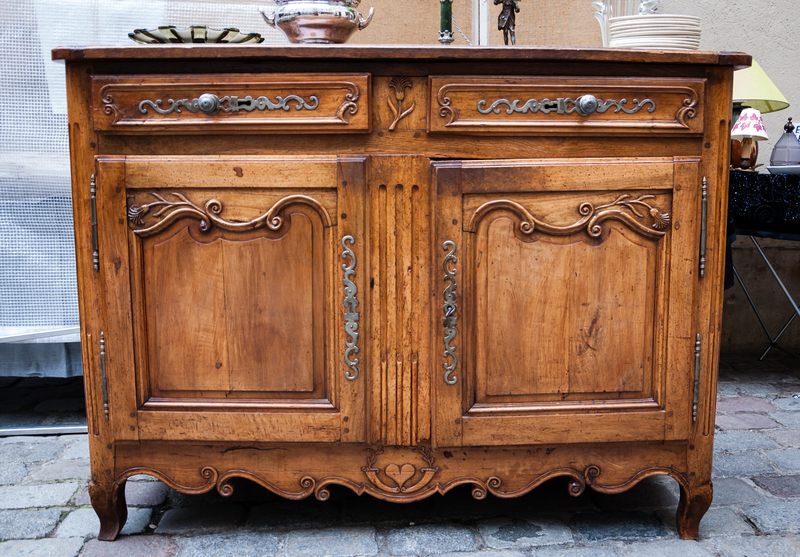
- Reclaimed wood for flooring, furniture, and other applications
- Particleboard and composite materials creation
These processes significantly reduce the demand for new timber, thereby conserving natural resources.
2. Bioenergy Production
Innovative technologies have enabled the conversion of wood waste into renewable energy, a practice known as bioenergy production. This process entails:
- Using wood waste for biomass energy generation
- Producing pellets and briquettes for heating applications
- Biofuel production for cleaner energy alternatives
Bioenergy not only helps in managing wood waste but also aids in reducing reliance on fossil fuels, contributing to a cleaner environment.
3. Biodegradable Alternatives
The push for sustainable products has led to the development of biodegradable alternatives using wood waste. These include:
- Bioplastics made from wood lignin
- Compostable tableware and packaging
Products made from wood waste are often more eco-friendly and can decompose naturally, thereby mitigating landfill accumulation.
Economic Benefits and Opportunities
The ecological benefits of eco-conscious wood waste practices are clear, but what about the economic advantages? Here are some insights:
Job Creation
The transformation of wood waste management comes with the creation of new industries and job opportunities. From recycling operations to bioenergy plants, these sectors are providing employment to thousands, contributing to economic growth.
Cost Savings
Businesses embracing these practices often see reduced waste management costs. Recycling wood waste and utilizing it for energy can significantly cut disposal fees and energy expenses, enhancing overall profitability.
Innovation and Market Expansion
Eco-friendly wood waste products are tapping into growing markets. The demand for sustainable goods is rapidly increasing, offering businesses new avenues for growth and innovation.
Challenges and Future Prospects
While the progress made in eco-conscious wood waste practices is commendable, there are challenges that need to be addressed:
Technical and Economic Barriers
Adopting these practices often requires substantial investment in technology and infrastructure, which can be a hurdle for small businesses. Government incentives and subsidies can play a crucial role in overcoming these barriers.
Standardization and Compliance
Developing standardized processes for wood waste management is essential for ensuring consistency and safety. Regulatory frameworks need to evolve alongside these practices to protect both environmental and public health.
The rise of eco-conscious wood waste practices marks a significant leap towards sustainability. By harnessing innovative technologies and embracing a circular economy, we can convert what was once considered waste into valuable resources. This shift not only helps in preserving our environment but also presents new economic opportunities for businesses willing to adapt and innovate in this green era.
As individuals and organizations continue to recognize the importance of sustainable development, the role of eco-conscious wood waste practices will only grow more vital. By supporting these practices, we contribute to a healthier planet and a more sustainable future for generations to come.